Protective Design for Drone Threats:
Guidance for Building Owners and Project Teams
Drones are already part of our built environment. They help building owners, architects, engineers, contractors, and facility teams document
progress, inspect facades and roofs, improve site awareness, and reach conditions that are difficult or dangerous for people to access.
They also change the security picture.
The same mobility, access, and payload capacity that make drones useful can expose buildings and infrastructure to emerging threats:
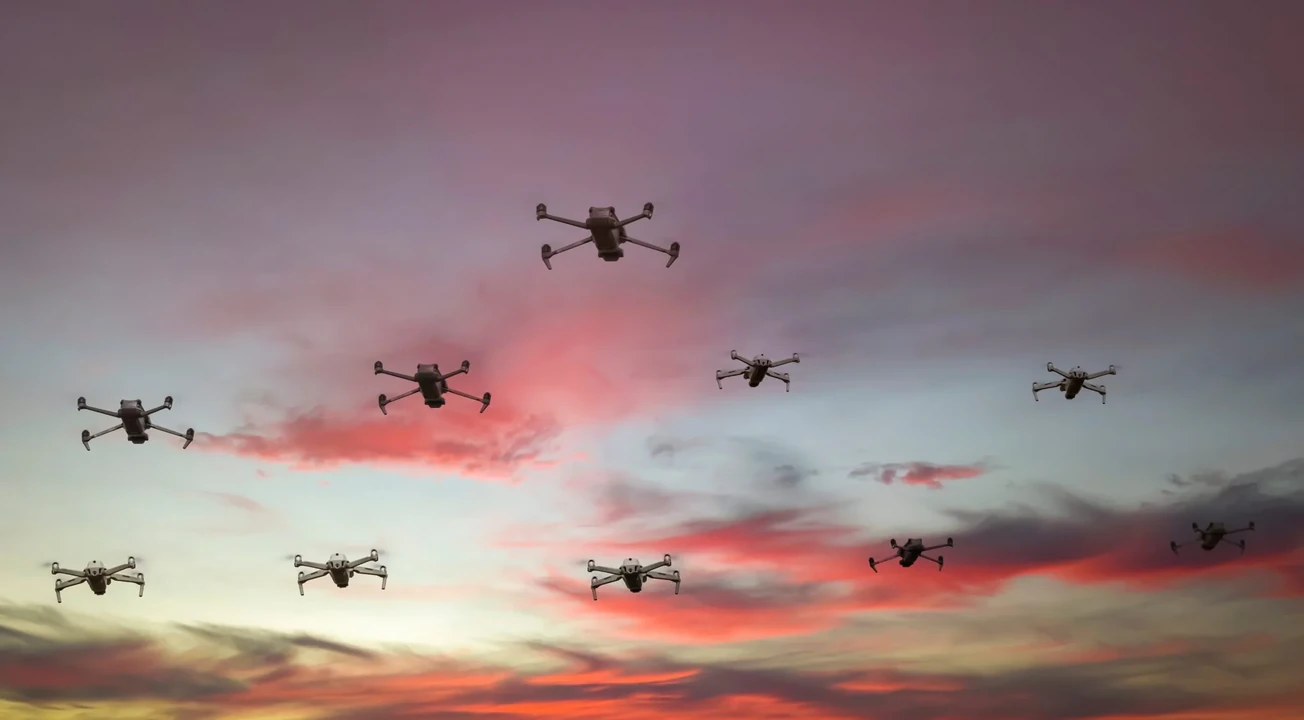
accidental impacts, unauthorized surveillance and espionage, operational disruption, coordinated drone activity or swarms, and hostile
payload delivery, including drone-borne improvised explosive devices, or drone-borne IEDs. Project teams cannot assume every errant or
malicious drone will be stopped mid-flight. Building owners still need to understand what happens if a drone reaches the site.
IntegralRSG helps building owners, architects, engineers, contractors, and security teams evaluate credible drone threat scenarios;
identify where perimeters, facades, roofs, and critical systems are exposed; and develop practical protective design strategies specific
to the site, threat, and operational needs. The goal is not to design for every possible event. It is to reduce vulnerability where it
matters, support physical security, strengthen perimeter protection, preserve operational continuity, and make informed design decisions
before best practice is written in hindsight.
1. Right-Size the Credible Threat
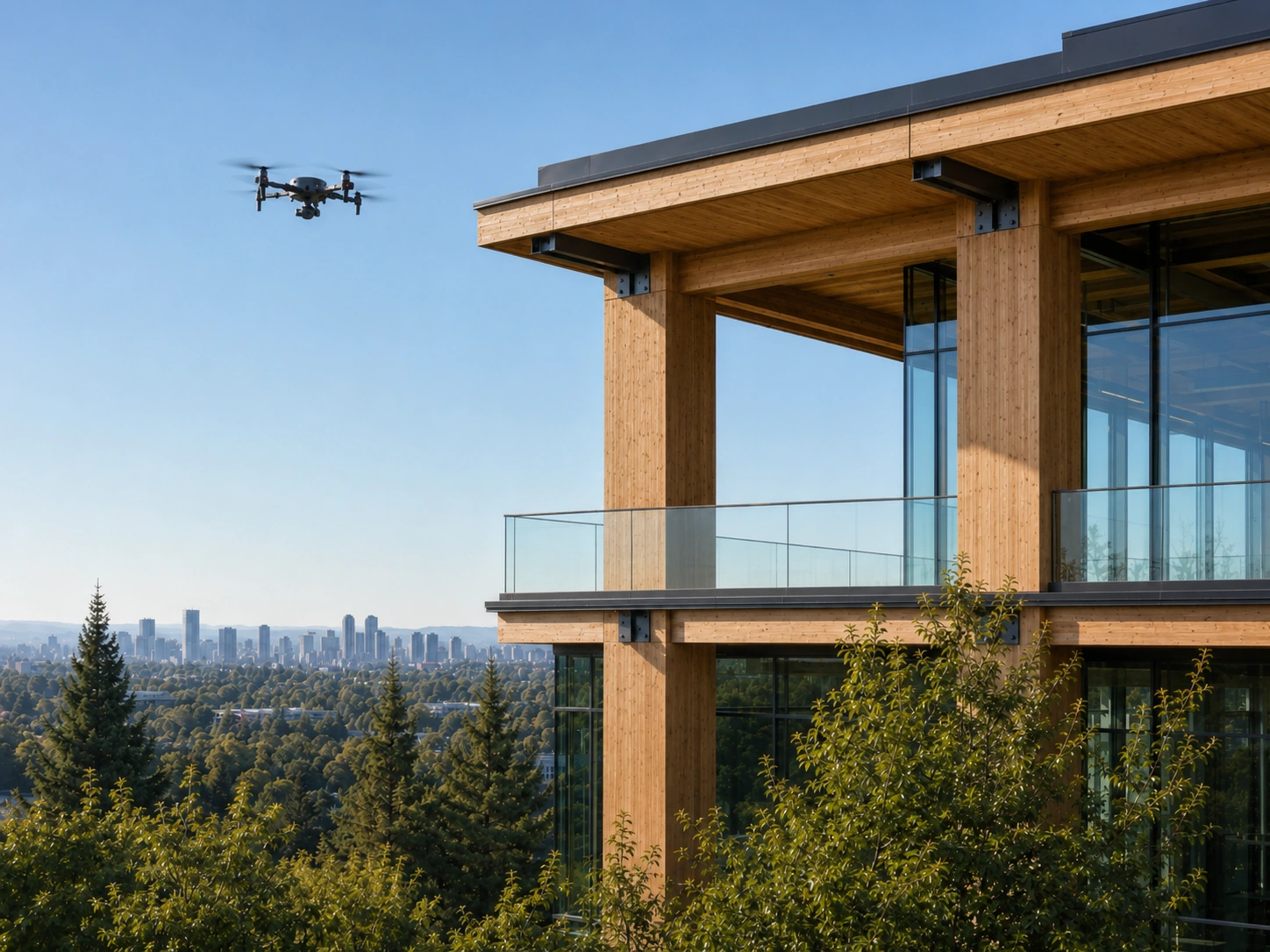
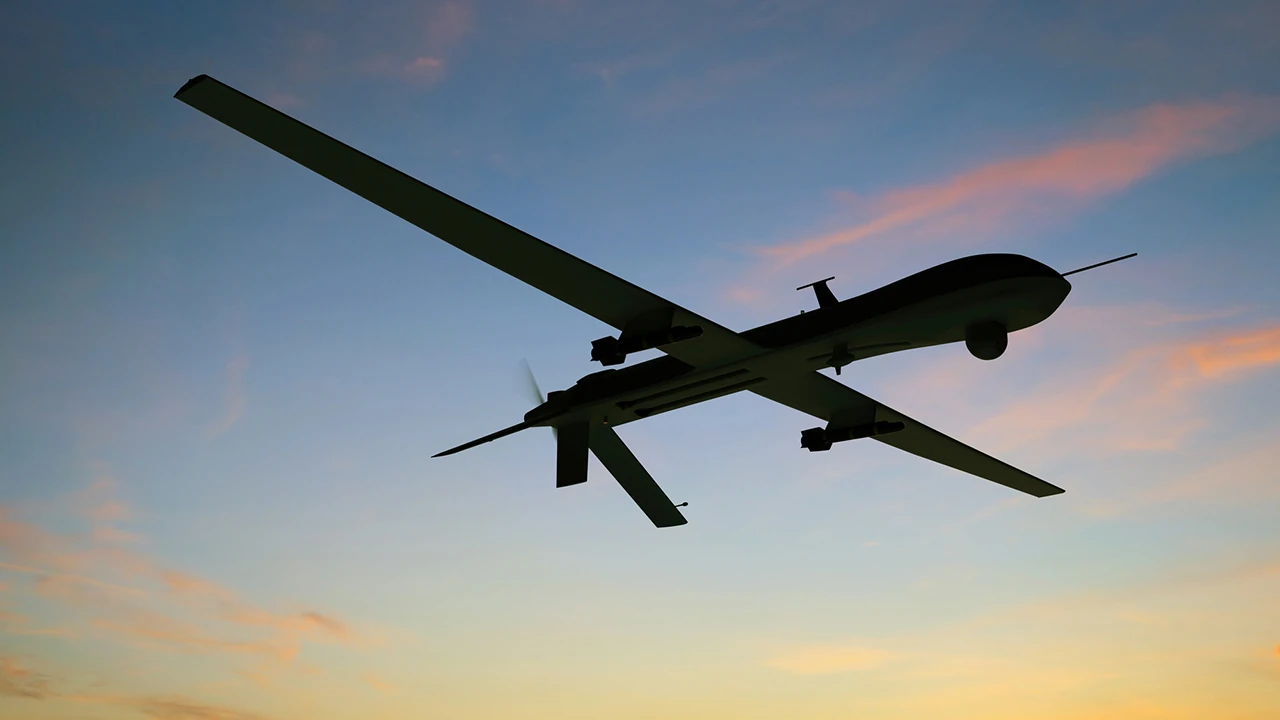
Drones vary significantly in size, capability, and payload. An off-the-shelf unmanned aircraft system (UAS) may carry 10 to 20 pounds, while military-grade systems can carry substantially more. Most projects are not designed for wartime threat scenarios, nor should they be. However, drones are getting cheaper, more capable, and more accessible, while commercial payload capacities increase.
That makes credible threat definition essential. Rather than ask, “What is possible?” project teams should ask, “What is plausible for this building, this site, and this mission?” Owners need to understand their risk tolerance, how much they are willing to invest, and how to balance occupant safety and security with project cost, constructability, and intent.
IntegralRSG helps teams define realistic threat scenarios, clarify owner priorities, and calibrate protective design strategies so mitigation is defensible, practical, and proportional to the mission. As industry guidance, owner expectations, and security practices evolve to address UAS delivery methods, early alignment on credible criteria only becomes more important.
2. Use Building Geometry to Address Full-Height Exposure
Traditional protective design has focused heavily on person- or vehicle-borne threats originating at ground level, where standoff, perimeter controls, and access management can limit exposure.
But you cannot put a bollard in the sky.
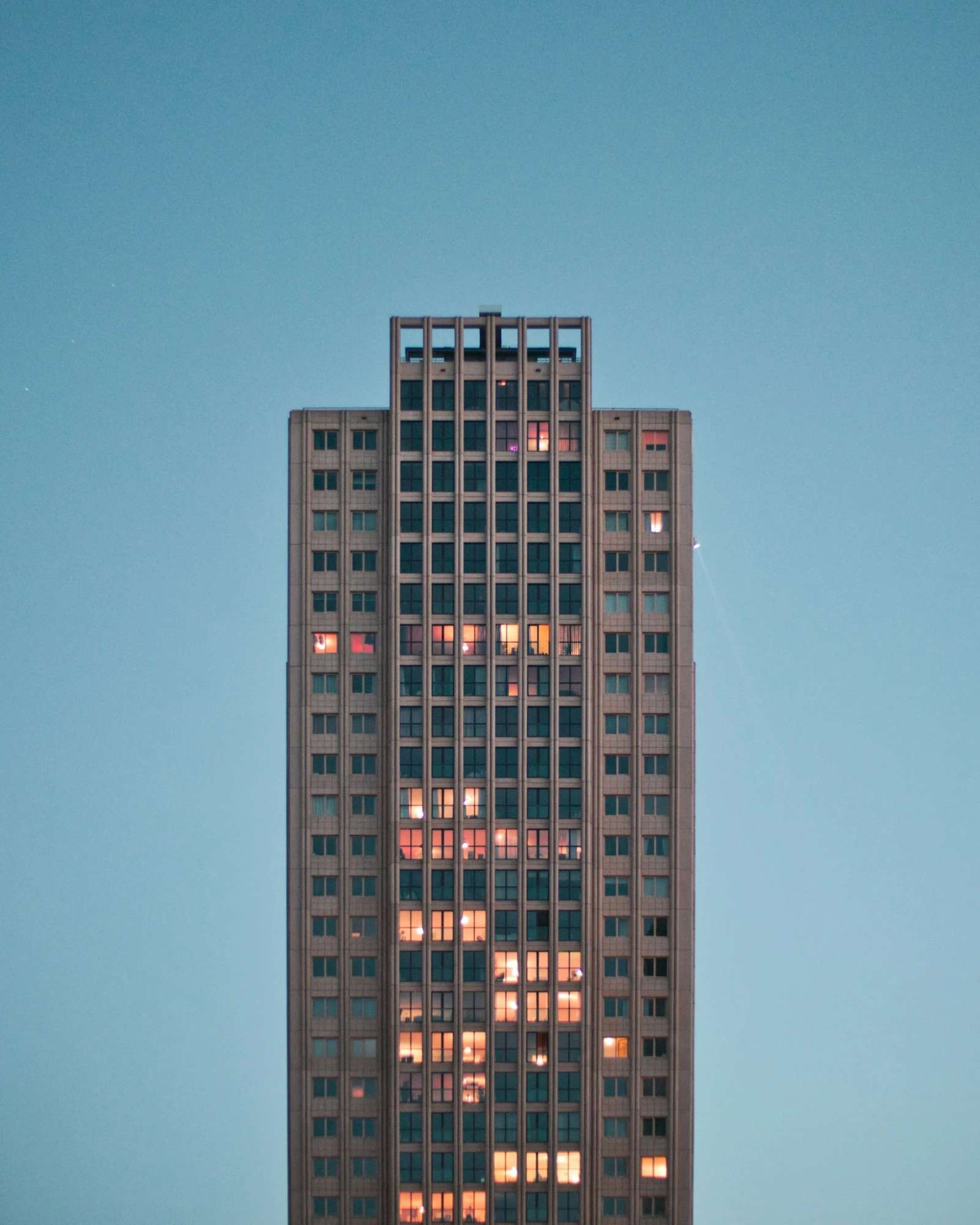
Drone-borne threats can approach upper stories directly, extending potential exposure beyond the ground plane to facades, roofs, exterior systems, and structural elements above the lobby or podium. That changes the conversation from perimeter-only protection to full-height building vulnerability. Without sufficient redundancy or alternate load paths, localized damage to primary structural elements can escalate into progressive collapse: a domino effect of structural failure that spreads from the point of origin and becomes disproportionate to the original damage.
For new construction and major renovations, drone resilience is strongest when protective design, architecture, and structural engineering are coordinated before the building geometry is fixed.
IntegralRSG is partnering closely with Meyer Borgman Johnson to translate emerging drone risks into practical structural design strategies. Our collaborative research, authored by Ukranian American Anne Wiebe, brings a critical structural lens to this work: adapt the system early, reduce exposure through smarter geometry, improve redundancy, and avoid costly hardening later in design.
Want to discuss structural strategies for drone resilience? Contact Anne.

3. Protect the Building Envelope, Roofline, and Critical Systems
Drone threats can bring roofs, penthouses, occupied terraces, screen walls, light wells, and other overlooked exterior conditions into the protective design conversation. Solar arrays, generators, mechanical equipment, communications infrastructure, and other rooftop or exterior systems may also warrant review. These areas are often difficult, costly, or disruptive to modify after design is complete, making early coordination especially valuable.
For new buildings, look beyond the visual expression of the envelope to understand how glazing, exterior wall assemblies, and critical systems perform under credible threat scenarios. That wider lens can also reveal opportunities where resilience and building performance work together. For example, double-skin facades may help buffer interior structural elements while advancing energy, sustainability, and comfort goals.
For existing buildings, the work is more surgical. Identify practical upgrades that reduce the highest-consequence vulnerabilities while preserving operations, desired aesthetics, and intended use. Laminated glazing, targeted envelope improvements, protected equipment zones, and selective hardening may play a role depending on the building, mission, and risk profile.
The takeaway is simple: protect what matters most. Start with the elements that affect occupant safety, continuity of operations, and
structural performance, then focus mitigation where exposure and consequence overlap.


4. Plan for Drone Detection, Tracking, and Response
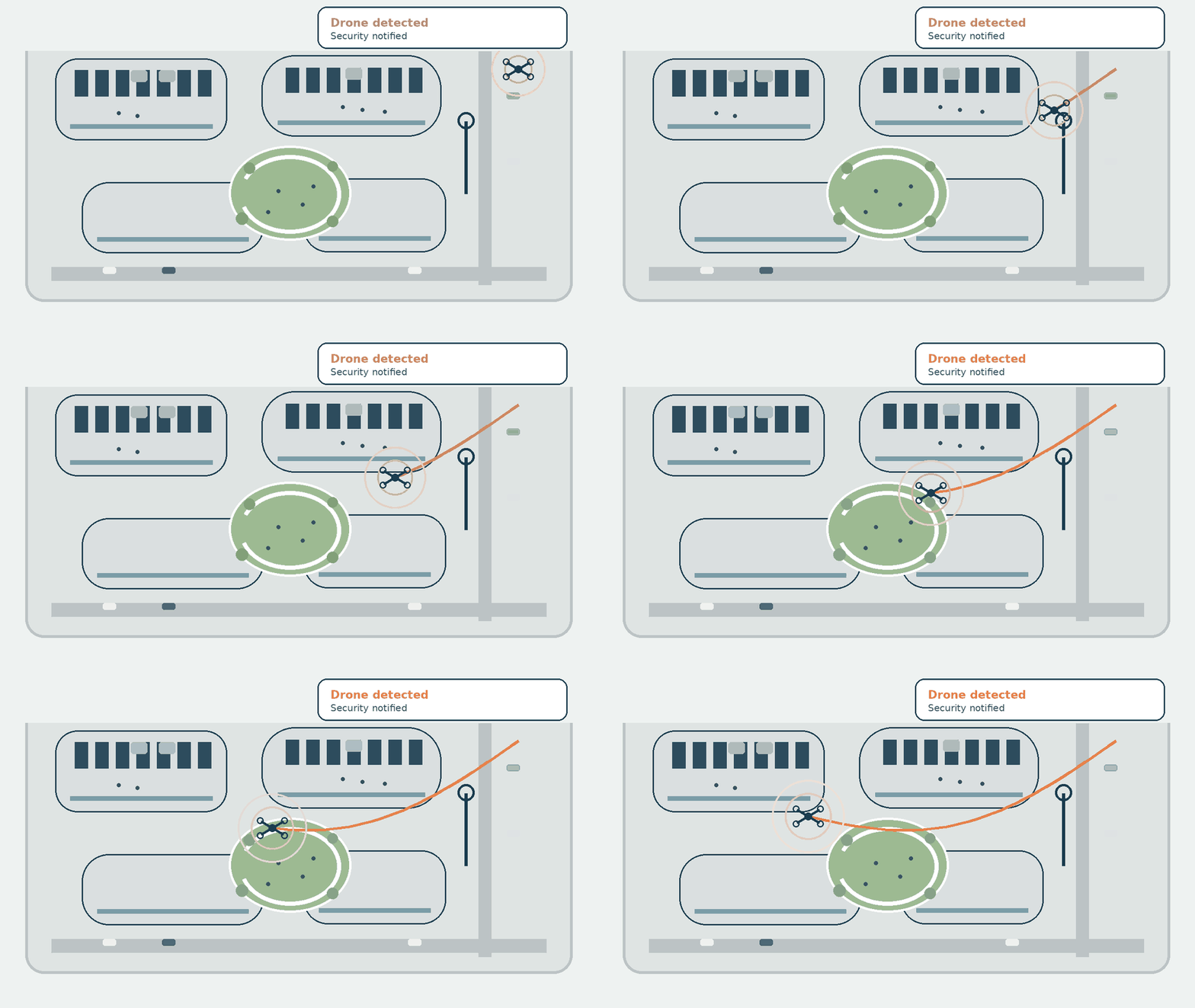
Building owners need to know when drone activity is happening in the first place. That means establishing an operational security plan: how unauthorized drone activity is identified, whether it looks isolated or recurring, and when it warrants escalation.
Security cameras rarely tell the whole story. Drones can move quickly and erratically across a complex site. Fixed cameras may miss activity around roofs, facades, adjacent properties, heavy landscaping, and other blind spots.
Layered detection and airspace awareness help close that gap. Radar, sensors, analytics, and integrated platforms can support security teams as they monitor activity, recognize suspicious patterns, and assess whether a drone near the site represents a safety, security, or operational concern. More advanced systems may also help trace activity back toward its likely point of origin.
But technology is only useful if people know what to do with the information. Owners and operators need clear response roles and protocols: who is watching, how incidents are documented, when to engage the broader security team, and when to contact law enforcement.
A response plan turns visibility into action, helping building owners and operations teams understand what is happening on and around the site before a concern becomes an incident.
Subject Matter Expert
5. In Conclusion
Drone resilience is not about resisting progress or turning buildings into netted fortresses. For building owners and the broader AEC community, the most effective response is to approach emerging drone threats with curiosity, build fluency as the landscape evolves, and make proportionate decisions based on the best information available.
The future is in flight. Our task is to design and build for it with clarity, restraint, and purpose.
Thinking about addressing emerging drone threats on your project? Connect with Matt Calo to discuss a tailored protective design approach.

References and Further Reading
Axis Communications. “Eye on the Sky”: A Con Edison case study on drone detection and airspace monitoring.
SkySafe. “Real-Time Drone Detection, Tracking, and Airspace Intelligence.”
Congress.gov. S. 1071 and the FY 2026 National Defense Authorization Act: Counter-UAS and SAFER SKIES Act provisions.