Designing Safer Holiday Markets:
Protecting Crowds from Hostile Vehicle Attacks
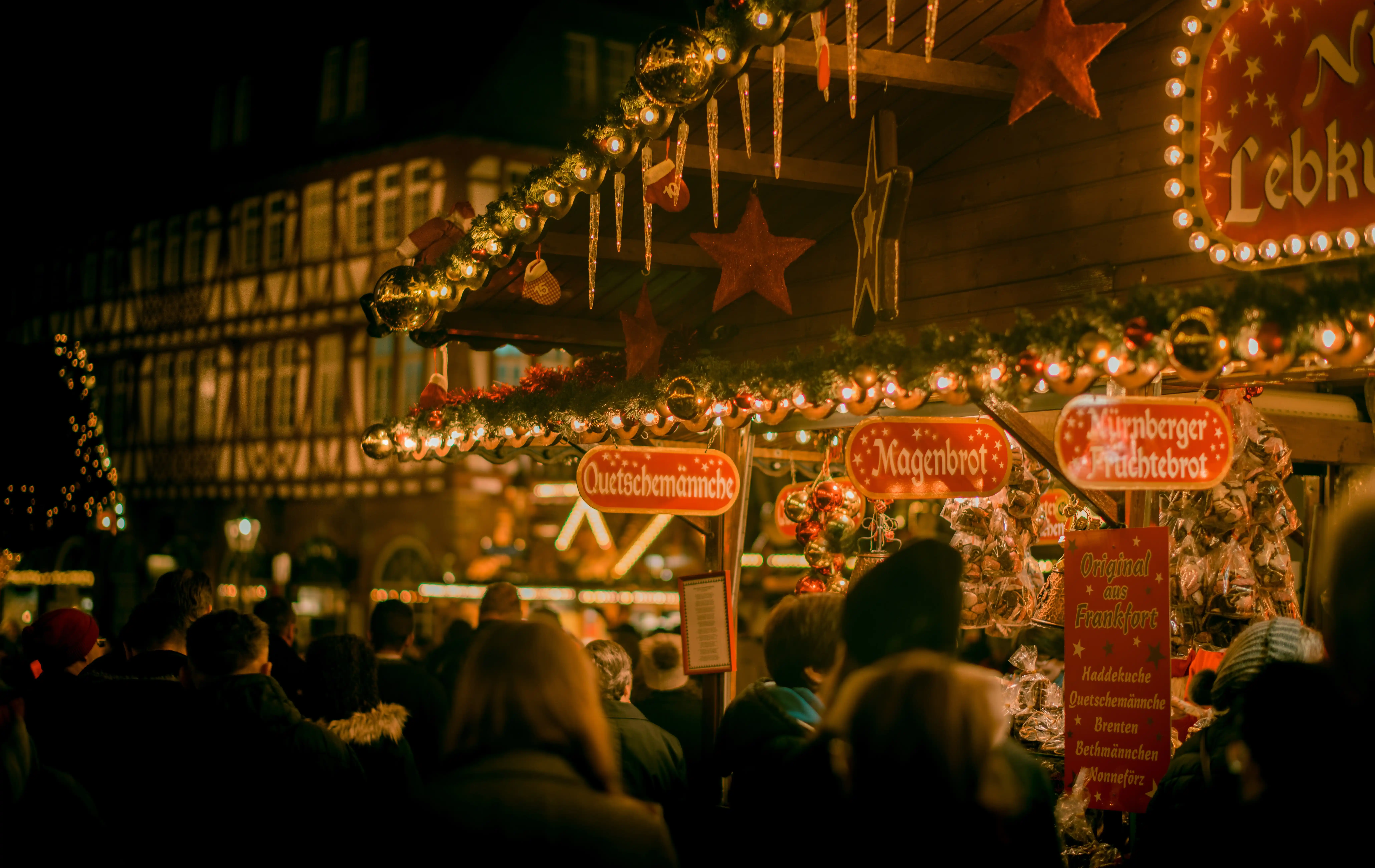
Every winter, streets and plazas transform into holiday villages—rows of cabins, strings of lights, flowing music and mulled wine, and dense crowds. The same qualities that make these markets vibrant also make them attractive targets for hostile vehicle attacks. At IntegralRSG, we live in that tension point: preserving the magic while quietly engineering serious protection into the background. Our consulting capabilities are worldwide.
Threat Overview
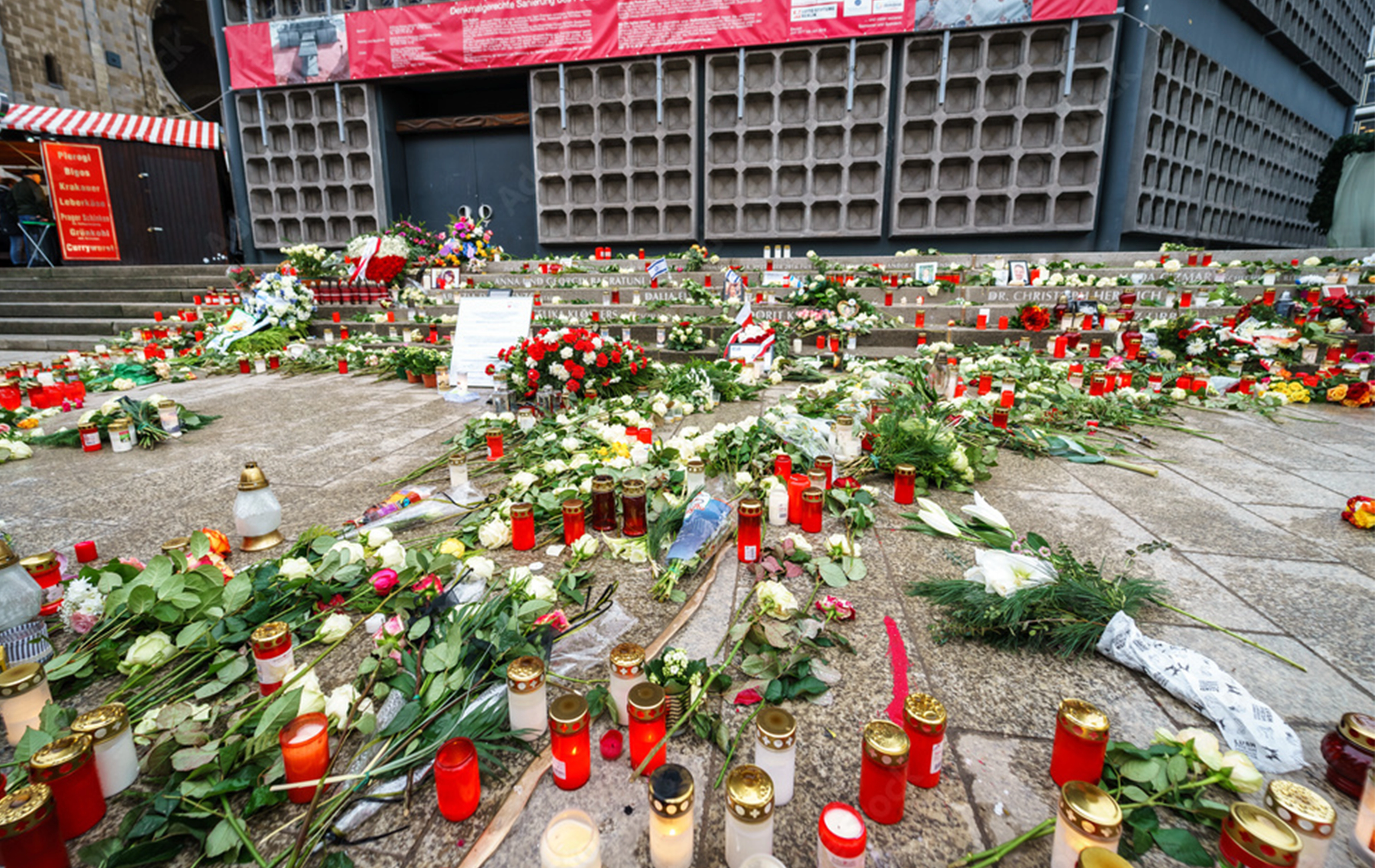
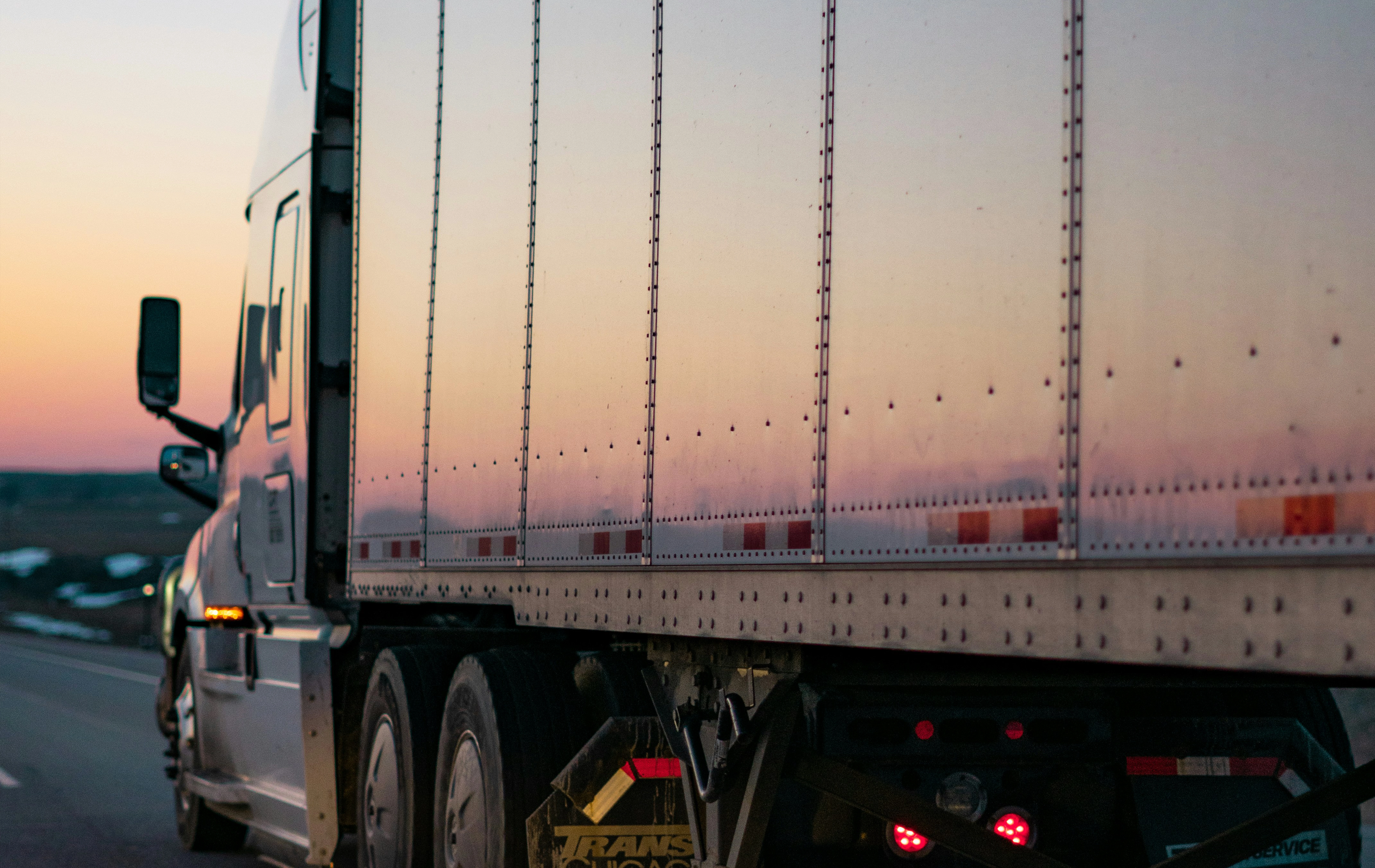
In the last decade, holiday events have repeatedly been hit with vehicle attacks. In 2016, a hijacked truck drove into the Breitscheidplatz Christmas market in Berlin, killing 12 people and injuring more than 50. In 2021, an SUV sped through the Waukesha, Wisconsin Christmas parade, killing 6 and injuring over 60 others. In 2024, a car was driven into the Magdeburg Christmas market in Germany, killing around 5–6 people and injuring more than 200. Different countries, different motives—and the same pattern: dense, festive holiday gatherings exposed to fast, unimpeded vehicle access.
These incidents share common traits: open and accessible public spaces, defined crowd zones, and nearby vehicle routes that can be exploited
in seconds. The lesson is clear: designing for hostile vehicle scenarios must be baseline practice for holiday markets, not an afterthought.
Holiday markets generally fall into two broad categories: pop-up events in existing streets and plazas, and recurring markets in
semi-permanent or purpose-designed spaces. Both can be protected through a combination of physical hardening and operational/layout
strategies.
Physical Hardening (Temporary and Fixed Spaces)
Create a real perimeter, not a visual one.
Holiday markets often rely on lighting, kiosks, and arches to frame the event. From a security standpoint, what matters is where a vehicle
can get to at speed. We work with cities to create a genuine vehicle-free “inner world” around the crowd, using engineered barriers to
separate moving vehicles from pedestrian zones on all sides—not just the main entrance.
Match barrier type to event duration.
For short-term or first-time markets, surface-mounted, modular systems are typically the most practical. These barriers are crash-tested,
fast to deploy, and removable once the season ends. For established, recurring markets that return to the same streets year after year,
permanent bollards, embedded posts, and integrated seating or planters that carry vehicle-resistance ratings can make economic and
operational sense. The key is that every solution—temporary or fixed—is chosen to match a defined threat vehicle and impact speed, not just
for appearance.
Close the back doors.
Attackers rarely drive through the most obvious front gate. Instead, they look for gaps: an unprotected service lane, a side street kept
open for “just in case” access, a delivery route that skirts the perimeter. Effective hardening means auditing every possible vehicle
approach and ensuring barriers, street furniture, or layout adjustments remove the straight, high-speed paths into the crowd.
Integrate safety into the streetscape.
Physical protection does not have to look like a fortress. Bollards can align with lighting and wayfinding. Heavy planters and seating
blocks can double as vehicle mitigation. Holiday decor can wrap or disguise barrier elements. Done well, the public primarily experiences a
festive, coherent streetscape—while you know the underlying system is engineered to stop a hostile vehicle.
Design in emergency access from day one.
A strong perimeter must still allow fire, police, and medical access. That calls for clearly defined, reinforced gates designed to withstand
impact when closed but open quickly under controlled conditions. Barrier layout, turning radii, and clear space for emergency vehicles are
all engineered up front, not improvised on event day.
.webp)
Operational & Layout Strategies (Non-Hardening)
Even the best barrier system can be undermined by poor operations or a confusing layout. The soft side of design—routes, schedules, sightlines, and procedures—is just as critical.
Use traffic management as a security tool.
During market operating hours, surrounding streets should shift to an event mindset: restricted access, lower speed environments, and clear
no-drive zones adjacent to the densest crowds. Ride-share, taxis, and private vehicles are routed to designated drop-off points outside the
core, preventing last-second, high-speed approaches.
Plan your market around security, not around convenience.
Stalls, stages, and main attractions sit deeper inside the protected zone, not immediately behind the barrier line. Layout gently pushes the
busiest gathering areas away from vehicle routes by using kiosks, amenities, or landscaping as a buffer. Vendor locations, queuing areas,
and seating clusters are all opportunities to increase stand-off and create layers between the street and the crowd.
Design for natural surveillance.
Good hostile-vehicle planning goes hand-in-hand with visibility. Perimeter approaches are well lit and easy for staff, security, and cameras
to observe. Tall, opaque structures or dense decor are kept away from edges of vehicle approaches. Clear sightlines give more time to spot
an errant vehicle and react.
Control how and when vehicles enter.
Where service or vendor vehicles must cross into the protected area, those movements are tightly scheduled and supervised. Credentialing
drivers, inspecting vehicles, and limiting access to a handful of well-protected gates reduce the opportunity for an attacker to pose as a
contractor or slip into the footprint unnoticed.
Make evacuation and response simple and obvious.
Evacuation routes and assembly areas are tested against the actual market layout: if a vehicle incident occurs at one edge, people can still
move quickly in the opposite direction. Barrier placement is checked to ensure it doesn’t unintentionally funnel crowds into a bottleneck.
IntegralRSG routinely walks these routes with event teams to ensure emergency paths are intuitive and realistically usable under stress.
Capture lessons and improve every season.
Because holiday markets are cyclical, each season is a chance to refine. After the event, we encourage a debrief: how did the barrier layout
work with deliveries? Where did crowds back up? Did staff understand their roles if a vehicle behaved suspiciously? Small adjustments year
over year can significantly raise the overall protection level.
.webp)
.webp)
How IntegralRSG Helps
IntegralRSG focuses on physical security and perimeter protection that is tightly integrated with how cities actually function. For holiday markets, that typically means:
We evaluate streets and plazas for hostile vehicle approaches, using recent attack patterns—Berlin, Waukesha, Magdeburg, and others—as reference points for realistic threat scenarios. From there, we design tailored barrier concepts for both temporary pop-ups and fixed market sites, matching specific event footprints, vehicle types, and speed environments.
We also work with city teams and organizers to align traffic management, market layout, and emergency planning so that operations reinforce, rather than weaken, the physical protection. That means delivery plans that don’t open up new attack paths, emergency routes that are actually usable, and staff who understand how the perimeter is meant to work.
If you’re planning a new holiday market or rethinking an existing one in light of recent incidents, now is the time to bake hostile-vehicle
mitigation into the concept, not bolt it on later. When security is done right, visitors feel the holiday energy, not the hardware. The
engineering stays mostly invisible—but the protection is very real.
Ready to wrap your holiday market in a real security strategy—not just lights and garlands? Reach out to Matt to start the conversation.